
The Great Temperature Debate
Decisions regarding your recovery shouldn’t be a guessing game, yet most people struggle with the choice of Ice vs Heat for Pain when a flare-up occurs. Whether you are dealing with a sudden athletic injury or a recurring structural ache, the temperature you apply to your skin sends a powerful signal to your nervous system. Using the wrong modality can inadvertently trap inflammation or heighten muscle guarding.
At Bodywork by Claudia Osman, we look beyond the surface level of temperature. While knowing when to reach for the freezer or the heating pad is a vital self-care skill, it is only one piece of the puzzle. True healing requires an integrated approach to chronic pain therapy, addressing the physical fascia, the neurological pathways, and the energetic blockages that keep your body in a state of distress. In this guide, we will break down the science of temperature therapy and identify exactly when it is time to stop managing symptoms and start a deeper therapeutic journey.
Decoding the Difference: Pain vs. Inflammation
While the two are related, they are not the same, and your treatment hinges on this distinction.
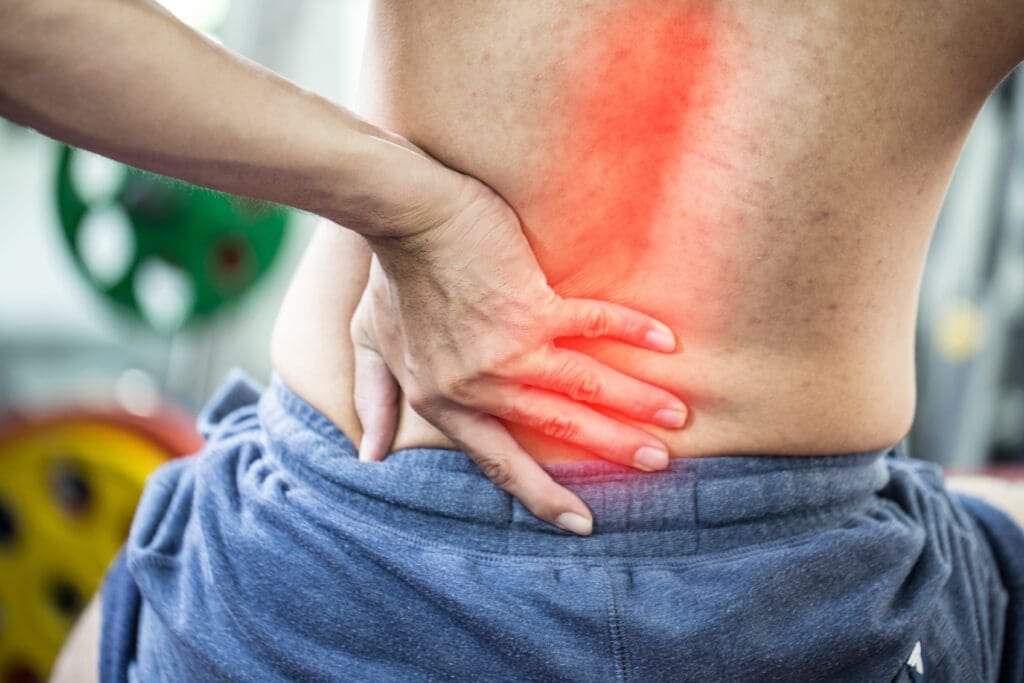
What is Inflammation? (The Red Light)
Inflammation is your body’s initial, necessary response to injury or trauma. It’s the process of cleaning up the damage and starting the repair.
Key Characteristics (Acute Phase): Swelling, redness, heat, sharp pain, and loss of function.
The Goal: To send healing agents (blood, fluid, white cells) to the injured site and immobilize the area.
The Cause: A new or sudden event, such as an ankle sprain, a pulled hamstring, or a sudden fall. This is typically acute injury.
What is Pain? (The Warning Signal)
Pain is the subjective experience; it’s the signal the nervous system sends to the brain. Once the initial inflammation subsides, pain often remains due to stiffness, muscle guarding, or chronic tightness (like the trigger points we discussed in our last post).
Key Characteristics (Chronic Phase): Dull aching, stiffness, tightness, generalized soreness, or pain that persists for more than 6-8 weeks.
The Goal: To warn you about underlying mechanical stress or fascial restriction.
The Cause: Repetitive stress, poor posture, mechanical imbalance, or the residual stiffness from an old, unhealed injury.

When to Reach for Ice (The Anti-Inflammatory Tool)
Rule of Thumb: If it’s new, hot, or swollen, use ice.
Ice is a powerful vasoconstrictor; it narrows the blood vessels. This action has two critical effects:
Reduces Swelling: By limiting blood flow to the area, ice immediately minimizes the buildup of fluid and slows the release of inflammatory chemicals.
Numbs Pain: The cold temporarily slows nerve conduction, providing instant pain relief (analgesia).
| Use Ice When… | Application Guidelines |
| Acute Injury: You have a specific, recent injury (within the last 24 to 48 hours). | Apply for 10–15 minutes at a time. |
| Visible Swelling: The area is clearly red, hot to the touch, or puffy. | Always use a towel or barrier to prevent frostbite. |
| Post-Workout Recovery: For specific muscles that feel burned or damaged after a heavy training session. | Wait a few hours after exercise for generalized soreness. |

Important Note: Do not apply ice for more than 20 minutes, as the body can reactively increase blood flow afterward, which defeats the purpose.
When to Apply Heat (The Release Tool)
Rule of Thumb: If it’s stiff, tight, or aching, use heat.
Heat is a vasodilator; it expands the blood vessels. This action is designed to encourage blood flow and relaxation.
Increases Circulation: Improved blood flow delivers oxygen and nutrients to the tissue and helps flush out metabolic waste (like lactic acid) that contributes to stiffness and ache.
Promotes Relaxation: Heat relaxes and elongates tight muscles and fascial restrictions, improving flexibility and range of motion.
| Use Heat When… | Application Guidelines |
| Chronic Stiffness: You wake up stiff, or feel tight after sitting for a long period. | Apply for 15–20 minutes using a moist heating pad or warm bath. |
| Dull, Aching Pain: The pain is low-level, generalized soreness (like a stiff neck or tight hamstrings). | Avoid using high heat while sleeping, as this can lead to skin irritation. |
| Pre-Activity Warm-up: To gently loosen chronic areas before light exercise or stretching. | Never apply heat to a swollen or red injury; it will increase inflammation! |
When to Book Bodywork (The Mechanical Fix)
While ice and heat are excellent tools for managing symptoms, they are not designed to fix the underlying mechanical problem.
If you find yourself relying on ice and heat every week, it’s a sign that you have a persistent structural issue—a chronic pain cycle—that requires professional intervention.

5 Signs You Need Professional Bodywork:
The Pain Returns Reliably: Your ache goes away with heat but returns every morning. This signals an ongoing postural issue or fascial restriction.
Stiffness Limits Activity: Your tightness prevents you from enjoying a hobby, exercising, or sleeping comfortably.
Self-Care is Ineffective: Foam rolling, stretching, and temperature therapy offer only temporary relief.
Referred Pain is Present: The pain is in one place (e.g., your knee), but the true source is likely elsewhere (e.g., your hip or low back), requiring a professional assessment.
You Need to Heal an Old Injury: Bodywork helps break up scar tissue and restore function to areas that healed incorrectly, preventing future chronic pain flare-ups.
Professional bodywork (like Myofascial Release) goes deeper than temperature by manually addressing the locked-up muscle fibers, releasing the stiff fascia, and identifying the patterns that caused the problem in the first place.
Knowing when to use ice and when to use heat gives you powerful control over your daily comfort. Use ice for immediate, sudden injuries and heat for chronic stiffness and aching.
However, if your pain has become chronic—if it’s a recurring guest rather than a one-time visitor—it’s time to move beyond temperature and address the structural imbalance.